
HOA Financial Audit Philippines: A Simple Guide
HOA Financial Audit in the Philippines: A Simple Guide for Boards
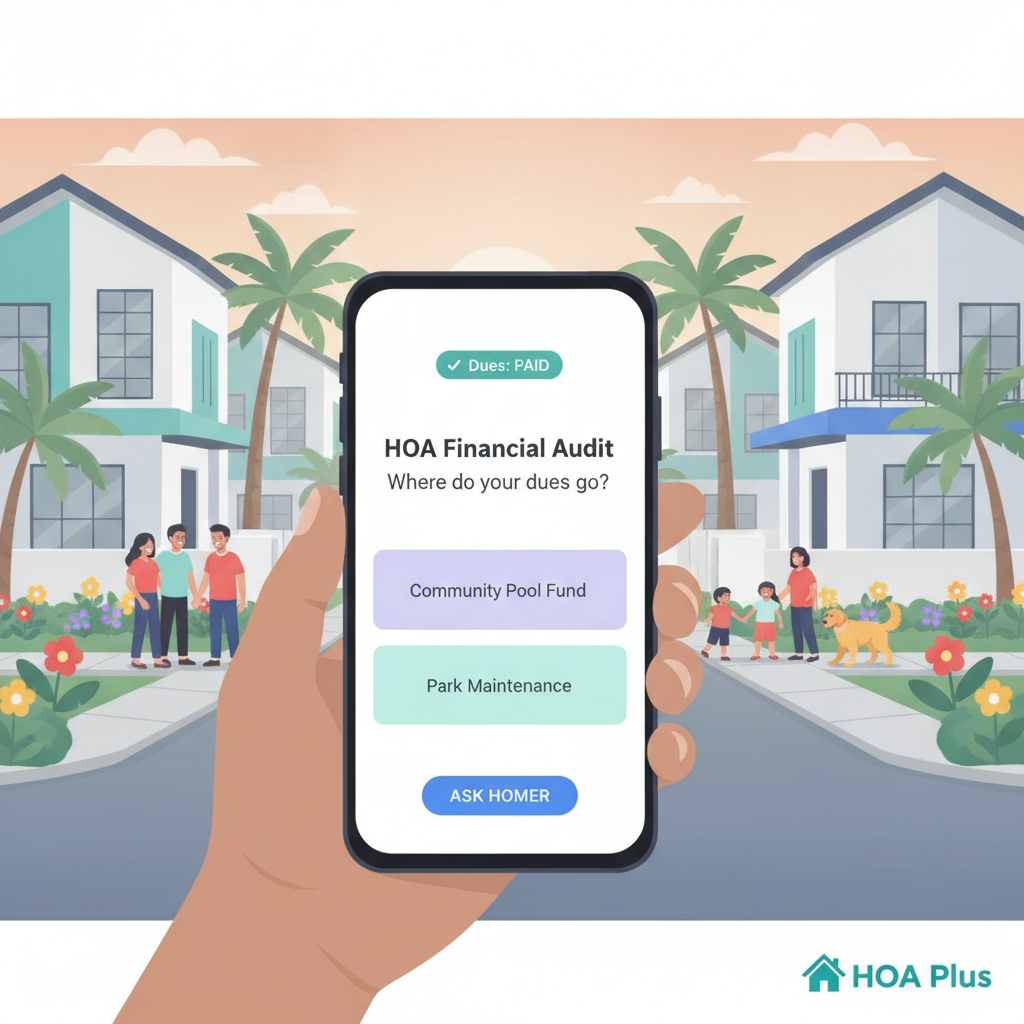
An HOA financial audit answers the question every homeowner asks: where do our dues actually go? It turns vague suspicions into clear numbers and doubt into trust.
Most boards keep receipts, log expenses, and hope for the best. Then one missed entry becomes a rumor, and a rumor becomes a shouting match at the general assembly. A clean, regular audit stops this spiral before it starts.
This guide explains what an HOA financial audit is, why it matters, and how to run one without fear or fuss.

What Is an HOA Financial Audit?
An HOA financial audit is an independent review of your association’s money records. A qualified person checks the income, the expenses, and the bank statements against each other. The goal is simple: confirm that the numbers match and nothing falls through the cracks.
Think of it as a health check for the community’s finances. You do not need a crisis to get one. A regular audit catches small errors before they grow into big problems. It also answers the question every homeowner asks: where did our dues go?
The Department of Human Settlements and Urban Development expects homeowners associations to keep honest and complete records. An audit proves your board takes that duty seriously.
Why an HOA Financial Audit Builds Trust
Trust runs a community better than rules ever will. When homeowners see a clean audit, they stop guessing and start cooperating. A well-run HOA financial audit gives residents proof instead of promises.
Boards gain too. An audit protects the treasurer and every officer from unfair blame. If someone claims the books hide something, the audit offers a clear, neutral answer. Consequently, the audit defends honest volunteers as much as it reassures residents.
An audit also strengthens the community for banks and lenders. A subdivision that keeps audited records can apply for loans and projects with confidence. Good records open doors.
When Should an HOA Financial Audit Happen?
Most experts suggest a full HOA financial audit once a year. The natural time is right after the fiscal year ends and the books close. This timing lets the auditor review a complete, settled period.
Smaller associations sometimes audit every two years. However, an annual rhythm is easier to remember and harder to skip. In addition, your bylaws may state how often the community must audit its books. Always follow that rule first.
Beyond the schedule, audit after any big change. A new treasurer, a large project, or a sudden spike in expenses all deserve a fresh look. For more on tracking projects transparently, read our guide to HOA project tracking.
Who Performs an HOA Financial Audit?
The right person for an HOA financial audit is someone independent of the day-to-day bookkeeping. A certified public accountant offers the strongest review. A professional auditor brings both skill and impartiality.
Some associations use an internal audit committee instead. This group of members reviews the records with fresh eyes. The committee costs less, but members may lack the same training. Therefore, many boards choose an outside accountant for the annual review and keep the committee for monthly checks.
Choose someone with no personal stake in the results. Independence keeps the audit fair and keeps homeowners confident. Your treasurer handles the daily records, while the auditor checks them from the outside.
How to Prepare for an HOA Financial Audit
Good preparation turns a stressful audit into a smooth one. Start by gathering every record the auditor will ask for. Pull the bank statements, the receipts, the invoices, and the payment logs. Keep them in one place and in date order.
Next, reconcile your books. Match every deposit and every withdrawal to the right entry. Fix any gap you find before the auditor arrives. Meanwhile, list every outstanding bill and every unpaid dues balance. This preparation saves hours and lowers the cost of the review.
Digital tools make this step far easier. Instead of chasing paper, your board can store every record in one organized place. Read our guide to HOA financial statements to see how clean books make reporting simple.
What the Auditor Reviews
An HOA financial audit looks at several areas at once. The auditor checks the cash on hand and in the bank. Then they compare those balances to the records your treasurer keeps. Any gap becomes a question to resolve.
The review also covers dues collection. The auditor confirms that collected amounts match what members owe. Similarly, the auditor verifies that every expense has a receipt and a clear purpose. Large or unusual spending draws the most attention.
Finally, the auditor reviews how your board approves spending. A clear approval trail protects everyone. When every peso has a documented reason, the audit passes quickly and cleanly.
Common Findings in an HOA Financial Audit
Most audits surface the same small issues. Missing receipts sit at the top of the list. A board may pay for a repair but lose the paper that proves it. This small gap is easy to fix once you know it exists.
Another common finding is delayed bank reconciliation. Busy boards fall behind, so the books and the bank no longer line up. In other words, the numbers drift apart slowly. A monthly habit prevents this drift entirely.
Unclear expense categories also appear often. When a purchase has no clear label, homeowners ask questions. As a result, boards that label every expense clearly face fewer disputes. None of these findings suggest theft; they simply reveal sloppy habits worth correcting.
Sharing Audit Results with Homeowners
An HOA financial audit only builds trust when you share the results. Summarize the key numbers for the community in plain language. Avoid burying members in spreadsheets and jargon. A one-page summary answers most questions before they form.
Present the summary at the general assembly. Then post it where every homeowner can find it. When results sit in a drawer, the audit loses half its value. Transparency is the whole point of the exercise.
Welcome questions calmly. A homeowner who asks about the books is not attacking the board. They simply want to understand. Answer clearly and the conversation ends in trust instead of tension.
How HOA Plus Supports Financial Audits
HOA Plus keeps your community’s finances organized all year long. Every payment, every bill, and every report lives in one clean place. When audit season arrives, your board pulls the records in minutes instead of days.
The app tracks dues, expenses, and balances automatically. So the records stay accurate without a treasurer working late nights. Homeowners can also view transparent reports anytime, which answers questions before they turn into doubts.
You can ask HOMER about any community rule or record and get a clear answer right away. Ultimately, an organized community walks into its next audit calm and confident. For more on smart money habits, read our guide to HOA budgeting in the Philippines.
Start Your HOA Financial Audit Today
An HOA financial audit is not a punishment. It is a promise that your community’s money stays honest and transparent. Start small this month: gather your records, pick a date, and find a qualified reviewer.
Begin with the basics. Reconcile the bank, label every expense, and save every receipt from now on. Then schedule the audit and stick to the date. Small, steady habits build the trust that keeps a subdivision peaceful.
Let the system do the heavy lifting, and watch the arguments fade.
Try HOA Plus free for your community and make your next HOA financial audit simple and stress-free.