
Subdivision Pet Rules in the Philippines: How to Keep Pets and Neighbors Happy
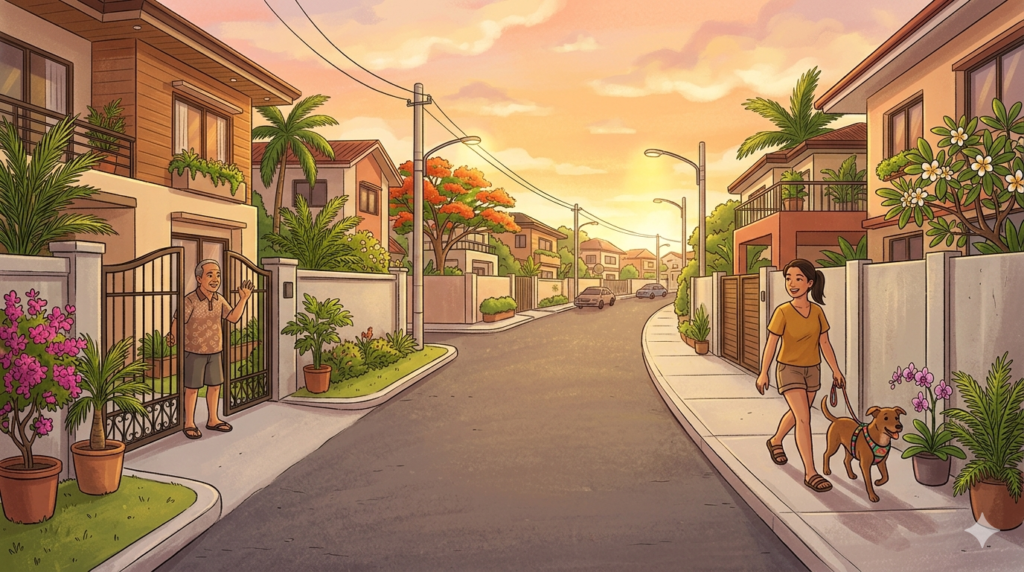
Subdivision pet rules Philippines — your neighbor’s dog has been barking since 5 AM, again. You love animals, but you also love sleep. Meanwhile, in the subdivision group chat, someone just posted a photo of dog waste on the sidewalk with a passive-aggressive “To the owner of this fur baby…” and now 47 people are arguing. Sound familiar?
Pets are a huge part of Filipino family life. Whether it’s a loyal aspin guarding the gate, a shih tzu riding in a stroller, or a cat that technically belongs to the entire street — subdivision pet rules Philippines are one of the most emotionally charged topics any HOA board has to deal with. Get them wrong, and you’ll have a neighborhood war. Handle them right, and pets and people live together peacefully.
Why Subdivision Pet Rules Philippines Cause So Much Drama
Here’s the thing about subdivision pet rules Philippines: they’re never just about pets. They’re about respect, boundaries, and whether your neighbors care about the shared spaces you all pay for.
The most common complaints HOA boards receive about pets include excessive barking (especially at night or early morning), dog waste left on sidewalks and common areas, unleashed dogs roaming the streets, aggressive behavior or biting incidents, stray feeding that attracts more animals, and the smell from multiple pets in one household.
What makes this worse is how these complaints usually get handled — or rather, don’t get handled. Someone posts in the group chat. Others pile on. The pet owner gets defensive. Sides form. The board gets dragged in but has no clear record of what happened. The issue dies down until the next incident, and the cycle repeats.
No wonder subdivision pet rules Philippines disputes are one of the top reasons neighbors stop speaking to each other.
What Good Subdivision Pet Rules Philippines Actually Look Like
The best subdivision pet rules Philippines aren’t about banning animals or punishing owners. They’re about setting clear expectations that protect both pet lovers and those who prefer a quieter environment. Here’s what every Philippine subdivision should have in its pet guidelines:
Registration and Limits
Require all pets to be registered with the HOA, in line with the Philippine Animal Welfare Act (RA 8485). Set a reasonable limit per household — most subdivisions allow two to three dogs or cats. This isn’t about being strict; it’s about making sure common areas stay clean and noise levels stay manageable for everyone.
Leash and Supervision Rules
Dogs must be leashed in all common areas — no exceptions. This protects other residents, children, senior citizens, and even the dogs themselves. Designate areas where pets are welcome and areas where they’re not, like the swimming pool, playground, and clubhouse.
Waste Cleanup Responsibility
This is the number one source of pet complaints in subdivisions. Make it crystal clear: if your pet makes a mess, you clean it up. Period. Some communities install pet waste stations with bags and bins in common areas — a small investment that prevents a lot of arguments.
Noise and Nuisance Standards
Continuous barking for more than 10 to 15 minutes, especially between 10 PM and 6 AM, should be addressed. The goal isn’t to silence every dog — it’s to ensure that one household’s pet doesn’t ruin the sleep and peace of the surrounding homes.
Vaccination and Safety Records
Require proof of anti-rabies vaccination. The Philippines still has one of the highest rabies rates in Asia, and a single biting incident in your subdivision can become a serious legal and health issue. Annual vaccination records protect the entire community.
How to Handle Pet Complaints Without Starting a War
Even with clear rules, complaints will happen. The difference between a well-run community and a toxic one is how those complaints get handled.
The old way — posting complaints in the group chat — is a disaster. It embarrasses the pet owner publicly, invites unsolicited opinions from everyone, and escalates what could have been a private conversation into a full-blown subdivision scandal. We’ve all seen it happen.
A better approach is structured, private, and documented. With HOA Plus, residents can file a concern about a pet issue — barking, waste, unleashed dogs — without it becoming public drama. The app’s AI mediator rephrases the complaint in neutral, respectful language before it reaches the pet owner. No accusatory tone, no group chat theatrics. Just a calm notification that says, “Hey, there’s a concern about noise from your area — here’s what was reported.”
The pet owner can acknowledge the concern or respond — and their reply also goes through the AI mediator to keep the conversation constructive. If the same issue gets reported by multiple neighbors, the system automatically escalates it to the HOA board with a documented history. No he-said-she-said. Just facts.
This is exactly the kind of conflict resolution we covered in our post on AI-powered neighbor dispute resolution — and pet complaints are one of the most common use cases.
When Pets Go Missing: How Your Community Can Help
Every pet owner’s worst nightmare: you come home and your dog or cat is gone. The gate was left open, or they slipped through a gap in the fence. In a traditional subdivision, your only option is to post in the group chat and hope someone sees it before the message gets buried under 200 other notifications.
HOA Plus has a dedicated Lost and Found board built right into the community feed. When someone reports a lost pet, it doesn’t just show up as another post — it triggers an active alert banner on the home screen that every resident sees when they open the app. That means your missing fur baby gets maximum visibility, not just from whoever happened to be scrolling the group chat at that moment.
Found a stray wandering the streets? You can post it on the same board with a photo and location, so the owner can find their pet fast. It’s simple, but it’s the kind of feature that turns a community app into an actual community.
How Clear Subdivision Pet Rules Philippines Benefit Every Resident
When subdivision pet rules Philippines are clear, documented, and fairly enforced, everyone wins — even people who don’t own pets.
Pet owners get peace of mind knowing the rules upfront. There’s no guessing about what’s allowed. They won’t get ambushed in the group chat over something they didn’t know was an issue. And if a complaint does come in, it’s handled privately and respectfully — not as a public shaming session.
Non-pet owners get cleaner sidewalks, quieter nights, and confidence that the board will act when rules are broken. They don’t have to be the “bad guy” who confronts their neighbor directly. The system handles it.
For seniors and families with small children — the groups most affected by unleashed dogs and noise — properly enforced pet rules make the subdivision feel safer. They can walk the streets, use the parks, and enjoy common areas without worry.
How Pet Rules Reduce Board Headaches
For HOA board members, pet complaints are one of the most time-consuming and emotionally draining issues to manage. Every incident becomes a mediation session, often with no documentation and no clear resolution.
With a structured system like HOA Plus, the board doesn’t have to play referee for every barking dog. Complaints come in documented and de-escalated. The AI mediator handles the initial back-and-forth. Only persistent or serious issues get escalated — and when they do, the board has a complete history of reports, responses, and timelines.
This also protects the board legally. Under RA 9904, HOA boards have a responsibility to enforce community rules fairly. Having a documented trail of pet complaints, warnings, and responses shows that the board acted responsibly — not arbitrarily.
The result: fewer angry calls, fewer emergency board meetings about someone’s dog, and more time to focus on projects that actually improve the community. If you’re a board member dealing with complaint overload, our post on HOA board member duties covers how to prioritize what matters.
Start Building a Pet-Friendly, People-Friendly Community
Pets aren’t going anywhere — and they shouldn’t have to. The goal isn’t to make your subdivision anti-pet. It’s to create an environment where responsible pet ownership is the norm, complaints are handled with dignity, and lost pets get found fast.
Clear rules, private conflict resolution, and a community platform that actually works — that’s how you keep both pets and neighbors happy.
Try HOA Plus free for your community and see how smart pet management, AI-powered mediation, and a dedicated lost-and-found board can transform how your subdivision handles its furriest residents.