
HOA General Meeting Philippines: The Complete Guide to Monthly, Quarterly, and Annual Assemblies
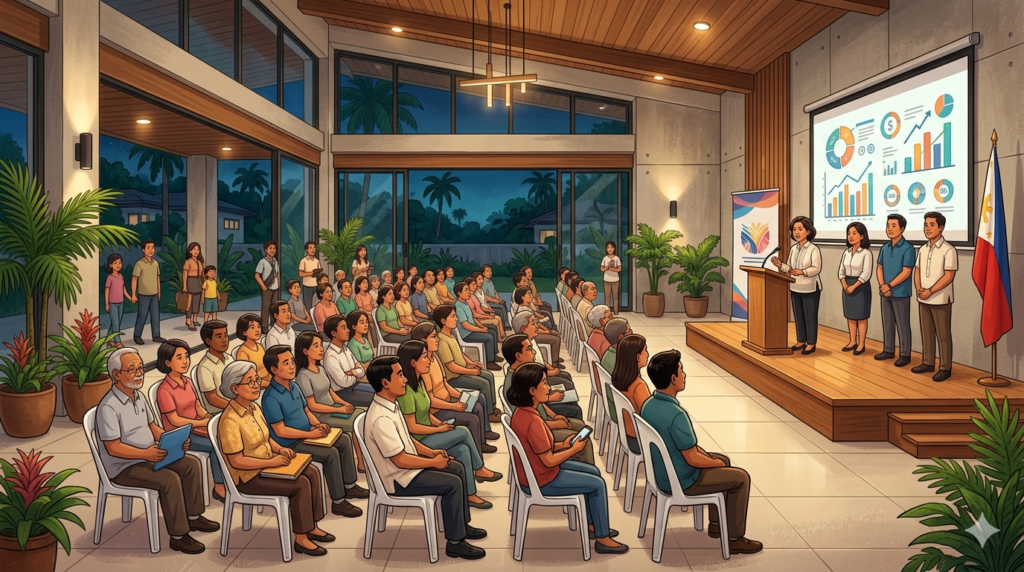
HOA general meeting Philippines — whether it’s a monthly board session, a quarterly assembly, or the big annual general meeting, most subdivisions handle them the same way: badly. The agenda is unclear, half the neighborhood doesn’t show up, and the group chat explodes afterward with “What did they decide?”
In the Philippines, every homeowners’ association is legally required to hold regular meetings under Republic Act 9904. These aren’t optional — they’re the backbone of democratic governance in your subdivision. But in practice? Most HOA general meeting Philippines events feel like a chore that nobody wants to attend and nobody runs well.
The good news is it doesn’t have to be that way. Whether you’re a board officer organizing your next monthly session or a homeowner who’s never attended a single assembly, this guide covers everything you need to know about every type of HOA general meeting Philippines communities are required to hold — and how to make each one actually productive.
Why Every HOA General Meeting Philippines Communities Hold Actually Matters
General meetings aren’t just formalities — they’re the only structured opportunity for residents to participate in decisions that affect their daily lives. Under RA 9904, these meetings are where your community officially approves budgets, elects officers, reviews financial reports, and resolves disputes.
Skip them or run them poorly, and you open the door to problems: contested elections, financial disputes, and the toxic “the board does whatever they want” narrative that poisons group chats. A well-run HOA general meeting Philippines gives residents confidence that their dues are being spent wisely and their voices actually matter.
If your community has been struggling with trust issues, our post on where HOA dues actually go explains why financial transparency starts at these meetings.
The Three Types of HOA General Meeting Philippines Law Requires
Not all meetings are created equal. RA 9904 and your association’s bylaws typically require three different types of meetings, each with its own purpose, frequency, and quorum rules:
Monthly Board Meetings
These are working sessions for your elected board of directors — usually the president, vice president, secretary, treasurer, and other officers. Monthly board meetings handle day-to-day governance: approving expenditures, reviewing maintenance requests, addressing complaints, and planning community projects. Most bylaws require these to be held at least once a month, and while they’re primarily for board members, residents can usually attend as observers.
Quarterly General Assemblies
Some HOAs hold quarterly assemblies to keep the broader membership informed between annual meetings. These are open to all homeowners and typically cover progress updates on community projects, financial status reports, and emerging issues that need community input. Not all bylaws require quarterly meetings, but communities that hold them tend to have better transparency and fewer complaints.
Annual General Meeting (AGM)
The AGM is the big one — the meeting where every homeowner gets to vote. Under RA 9904, every HOA must hold an annual general meeting that includes approval of the budget, election of officers (during election years), review of the annual financial report, and ratification of major decisions. This is the one meeting every resident should attend.
For a deeper understanding of the law governing all these meetings, check out our complete guide to RA 9904.
What RA 9904 Requires for Your HOA General Meeting Philippines
Before diving into logistics, let’s be clear about what the law mandates. RA 9904 — the Magna Carta for Homeowners and Homeowners’ Associations — sets specific rules:
- Frequency: At least one annual general meeting per year, with regular board meetings as specified in your bylaws
- Notice: Written notice must be sent to all members at least 15 days before general assemblies
- Quorum: A majority of members in good standing must be present (in person or by proxy) for official business at general assemblies
- Agenda: Must include approval of minutes, financial report, budget approval, and election of officers during the AGM
- Voting: Each member household gets one vote on all matters brought before the assembly
Failing to meet these requirements can make your meeting’s decisions legally challengeable. Board meetings have more flexible rules, but should still follow proper procedures outlined in your bylaws.
How to Plan an HOA General Meeting Philippines Residents Will Actually Attend
Planning starts well before the meeting date. Here’s a practical timeline that works for any type of general meeting:
30 Days Before: Lock Down the Basics
Confirm the date, time, and venue. If your subdivision has a clubhouse or covered court, use it — familiar locations boost attendance. Set the official agenda and identify who will present each item. For AGMs and quarterly assemblies, the treasurer should have financial statements ready for review.
15 Days Before: Send the Official Notice
This is the legal minimum for general assemblies. Send written notice to every member household through multiple channels: posted on bulletin boards, sent via the community app, and distributed door-to-door if needed. The notice must include the date, time, location, and complete agenda.
With HOA Plus, your board can send push notifications and in-app announcements to every registered household instantly — no more relying on paper notices that get lost or ignored.
7 Days Before: Rally Attendance
The biggest challenge for any HOA general meeting Philippines is quorum. Start reminding residents through the community group chat, post countdowns, and emphasize what’s at stake — budget approval, new officers, community projects. If your bylaws allow proxy voting, distribute proxy forms early so members who can’t attend can still participate.
Day Of: Run a Tight Ship
Start on time. Follow the agenda. Keep each section to its allotted time. Have a designated secretary recording minutes in real time. Use a sign-in sheet or digital registration to track attendance for quorum verification.
The Quorum Problem: Why Most Subdivision Meetings Fail
Let’s address the elephant in the room. Most subdivision assemblies in the Philippines fail to reach quorum on the first call. It’s so common that many bylaws include a provision for a second call with a lower quorum requirement — sometimes as low as 25% or even 10% of members.
Why don’t people show up? The reasons are predictable: “I didn’t know about it,” “I was working,” “Nothing ever changes anyway,” or “The meetings are too long and boring.” Every one of these objections is solvable with better planning and communication.
Communities using HOA Plus report higher engagement because residents can see real-time updates, financial dashboards, and project progress throughout the year — so when the HOA general meeting Philippines schedule comes around, they actually care about the outcomes. Our community vitals dashboard gives residents year-round visibility into the numbers that matter.
Agenda Templates for Every Type of HOA General Meeting Philippines
A clear, well-structured agenda keeps meetings focused and prevents them from spiraling into complaint sessions. Here are proven templates for each meeting type:
Monthly Board Meeting Agenda
- Call to Order — Confirm board quorum
- Approval of Previous Minutes — Quick review and corrections
- Financial Update — Collections status, pending expenses, cash position
- Committee Reports — Security, maintenance, beautification updates
- Action Items — New approvals, pending complaints, project updates
- Open Items — Board discussion on emerging concerns
- Adjournment
Annual General Meeting Agenda
- Call to Order and Quorum Verification — Confirm enough members are present
- Approval of Previous AGM Minutes
- President’s Report — Year’s accomplishments and challenges
- Treasurer’s Financial Report — Income, expenses, outstanding dues, reserve fund
- Budget Approval — Vote on the proposed budget for the coming year
- Election of Officers — If it’s an election year
- Old Business — Follow up on pending items
- New Business — Open floor for proposals with time limits
- Adjournment
Pro tip: Distribute the agenda and financial reports before the meeting so residents can review them in advance. This prevents the “wait, what are we voting on?” confusion that derails so many meetings.
How to Handle Elections During Your AGM
Elections are often the most contentious part of the annual general meeting. Here’s how to keep them fair and orderly:
First, establish a Commission on Elections (COMELEC) committee — at least three disinterested members who are not running for any position. They oversee nominations, verify eligibility, count votes, and announce results.
Candidates should meet the qualifications in your bylaws: usually a member in good standing, no delinquent dues, and a resident of the subdivision. Allow nominations from the floor during the meeting, but encourage advance nominations to give candidates time to prepare.
For voting, use secret ballots — not a show of hands. This protects residents from social pressure and produces cleaner results. Count votes in front of the assembly, announce results immediately, and have the COMELEC chair certify the results in writing.
If your community uses HOA Plus, the community voting feature makes elections more accessible by allowing verified digital voting — especially helpful for members who can’t attend in person but still want their voice heard.
After the Meeting: What Most Boards Forget
The meeting doesn’t end when you adjourn. Within 30 days, your secretary should distribute the approved minutes to all members. For AGMs, the new budget takes effect, elected officers assume their positions, and action items need follow-through. For monthly board meetings, assigned tasks should have clear owners and deadlines.
This is where most HOA boards drop the ball. Residents leave feeling heard, but months later nothing has changed. Use a project tracking system to assign, monitor, and update every commitment made at the meeting. Our post on HOA project tracking explains how to keep every community project visible and accountable.
Post the minutes, financial reports, and election results where every homeowner can access them — whether that’s a physical bulletin board, a shared drive, or your community management app. Transparency after the meeting is just as important as transparency during it. Learn more about keeping your community documents organized in our HOA document management guide.
Common HOA General Meeting Philippines Mistakes to Avoid
- Sending notice too late — The 15-day requirement is a minimum, not a target. Aim for 30 days
- No written agenda — Winging it guarantees a chaotic meeting
- Mixing board business with general assembly items — Keep monthly board meetings separate from homeowner assemblies
- Allowing the meeting to become a complaint session — Have a “new business” section with clear time limits
- Not recording minutes — If it’s not documented, it didn’t happen
- Skipping the financial report — This is the number one thing residents want to see
- Holding elections without a COMELEC — Contested results can invalidate the entire election
- No follow-up after the meeting — Promises without accountability breed distrust
Make Your Next HOA General Meeting Philippines Count
Whether it’s a monthly board session, a quarterly update, or the annual general assembly, every HOA general meeting Philippines communities hold is a chance to build trust, align on priorities, and give every homeowner a real voice. Plan it well, run it professionally, and follow through on what you promised.
When residents see that the board takes meetings seriously — with clear financial reports, fair elections, and real accountability — they stop complaining in the group chat and start showing up to participate. That’s the difference between a subdivision that functions and one that thrives.
Try HOA Plus free for your community and see how digital announcements, real-time financial dashboards, community voting, and project tracking can transform every general meeting from a dreaded obligation into a genuine community milestone.