
HOA Community Vitals: The Real-Time Dashboard Your Subdivision Needs
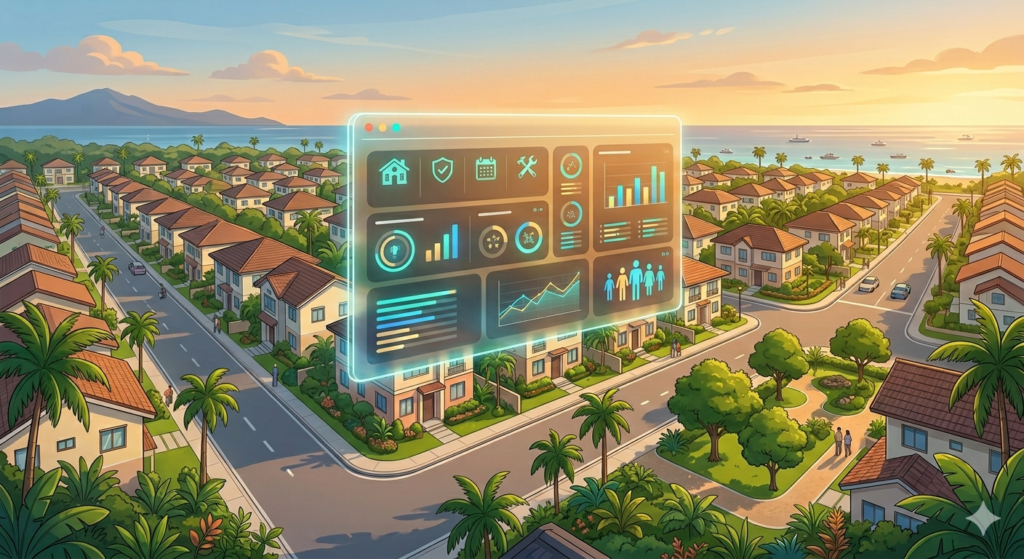
Every month, someone in the group chat asks the same question: “Where do our dues go?” And every month, the board scrambles to respond — pulling numbers from a spreadsheet, drafting a long message, and bracing for the follow-up questions that will keep the thread going for three days straight. If your HOA community vitals aren’t visible to everyone, residents will never stop asking — and the board will never stop defending.
Why Your HOA Community Vitals Should Be Public Knowledge
Transparency isn’t just a buzzword — it’s the foundation of trust between residents and the HOA board. But in most Philippine subdivisions, the only time homeowners get a look at community metrics is during the annual General Assembly. That’s once a year. For the other 364 days, residents are left in the dark about basic questions: How much have we collected in dues? How many security incidents happened this month? What’s the water bill looking like?
This information gap breeds suspicion. When residents don’t have access to community data, they make assumptions — and those assumptions usually aren’t generous. The board must be hiding something. The funds are being mismanaged. Nobody’s actually tracking anything. Even if none of that is true, the perception of secrecy is almost as damaging as actual mismanagement.
The solution isn’t more GA presentations or longer GC messages. It’s making HOA community vitals accessible to every homeowner, in real time, without anyone having to ask.
What Are HOA Community Vitals?
Think of community vitals the way you think about a health checkup. When you visit your doctor, they check your blood pressure, heart rate, and cholesterol — a quick snapshot that tells you if everything is running smoothly or if something needs attention. Your subdivision needs the same thing.
HOA community vitals are the key metrics that tell you how your community is doing at any given moment. These typically include collection rates (how many homeowners have paid their dues on time), water consumption or utility costs, security incident reports, and other operational data that the board tracks month to month.
In most subdivisions, this information lives in the treasurer’s laptop, the security office logbook, or scattered across different board members’ files. Residents never see it unless they specifically request it — and even then, the data is usually weeks or months old by the time it reaches them.
How HOA Plus Makes Community Vitals Visible to Everyone
HOA Plus includes a dedicated Community Vitals dashboard that puts real-time community metrics right on every homeowner’s home screen. No digging through files, no waiting for the GA, no sending awkward messages in the group chat asking for updates.
Here’s how it works: the admin publishes community vitals — collection rates, water bills, security incidents, and other key data points — and those numbers appear instantly on every resident’s dashboard. It’s a live snapshot of how the community is doing, updated as often as the board wants to share.
For residents, this means you can open the app and immediately see whether dues collection is on track, how utility costs are trending, and whether there’s been an uptick in security concerns. You don’t need to ask anyone. You don’t need to wait for a meeting. The information is just there, whenever you want it.
This is the same transparency principle behind transparent dues tracking — but applied to the entire community’s health, not just your individual account. When every homeowner can see the big picture, the GC conspiracy theories lose their fuel.
What Metrics Can Your HOA Track?
Collection Rates
This is the metric residents care about most — and the one that causes the most friction when it’s not visible. Collection rates tell you what percentage of homeowners have paid their dues on time. When this number is healthy, it means the community can fund its projects, pay its guards, and maintain common areas. When it’s low, everyone suffers — and residents who pay on time rightfully want to know why delinquent accounts aren’t being addressed.
By making collection rates visible through the HOA community vitals dashboard, the board creates natural accountability. Residents can see the trend over time, and the board can point to real data when explaining why certain projects are delayed or why stricter collection policies are needed. For a deeper dive into how transparent billing works, check out our guide on transparent community billables.
Utility Costs
Water bills, electricity for common areas, and other shared utilities are a constant source of questions. Residents want to know if costs are going up — and if so, why. By publishing utility data on the vitals dashboard, the board can show trends over time. If the water bill spiked because of a leak in the common area, residents can see the numbers alongside the explanation. No more speculation.
Security Incidents
How safe is your subdivision? Most residents don’t actually know — they go by gut feeling, GC rumors, and whether they’ve personally experienced anything. But the board (or the security team) tracks incidents: unauthorized visitors, theft attempts, noise complaints, gate violations. Sharing aggregated security data (without compromising anyone’s privacy) helps residents understand the real state of community safety.
This pairs well with having proper reporting channels for safety concerns. When residents can see that incidents are being tracked and trends are being monitored, they’re more likely to trust the system — and more likely to report concerns through official channels instead of venting in the GC.
Other Community Metrics
Depending on your subdivision’s needs, vitals can also include project completion rates, amenity usage, event attendance, or any other data point the board wants to share. The flexibility means every HOA can customize their dashboard to show what matters most to their community.
How Community Vitals Help Residents
For everyday homeowners — including those who aren’t on the board and just want a peaceful life in their subdivision — having access to HOA community vitals changes the entire dynamic.
First, it eliminates the anxiety of not knowing. When you can see that 87% of residents paid their dues this month, that the water bill is within the normal range, and that security incidents are down from last quarter, you feel good about your community. That peace of mind is worth more than any GA presentation.
Second, it makes the board accountable without confrontation. You don’t need to send a pointed message in the GC asking where the money went. The data is right there. If something looks off, you can raise it in the next meeting with specific numbers instead of vague accusations. This is the kind of informed engagement that makes communities stronger.
Third, it builds trust over time. When the board consistently publishes community data — even when the numbers aren’t perfect — residents see that they’re dealing with honest, transparent leadership. A board that shares a low collection rate and explains what they’re doing about it earns more respect than a board that hides everything until the GA.
How Community Vitals Help the HOA Board
If you’re on the board, you might be thinking: “Why would I publish numbers that might make us look bad?” The answer is simple — because hiding them makes you look worse.
When the board proactively shares community metrics, several things happen. Residents stop bombarding you with questions because the answers are already available. The GC calms down because there’s less to speculate about. And when you do need to make tough decisions — raising dues, implementing stricter collection policies, cutting a project — you can point to the data that supports the decision.
The vitals dashboard also saves the board hours of work. Instead of compiling reports for every meeting, generating custom responses to every resident inquiry, and defending your numbers in the group chat, you publish once and everyone has access. It’s the same automation philosophy behind features like project tracking — reduce the admin work so you can focus on actually leading the community.
And for boards that worry about accountability, the vitals dashboard is actually your best defense. When everything is documented and visible, no one can accuse you of hiding anything. Your track record is public, searchable, and timestamped.
The Difference Between Reporting and Transparency
Many HOA boards think they’re being transparent because they present a financial report at the annual GA. But there’s a crucial difference between reporting and transparency.
Reporting is reactive — someone asks, and you eventually provide an answer. Transparency is proactive — the information is always available before anyone needs to ask. Reporting happens once a year. Transparency happens every day. Reporting creates a bottleneck around the board. Transparency distributes information to everyone equally.
The HOA community vitals dashboard turns your subdivision from a reporting culture to a transparency culture. And that shift changes everything — from how residents perceive the board to how the board operates day to day.
If you want to take transparency even further, pairing the vitals dashboard with tools like a dedicated community hub means residents have one place to check announcements, vitals, projects, and updates — instead of chasing information across the GC, email, and bulletin boards.
Getting Started with Community Vitals
If your subdivision doesn’t currently share community metrics with residents, starting is easier than you think. Here’s what to do:
Identify your key metrics. Start with the basics: dues collection rate, major utility costs, and security incident count. You don’t need to publish everything — focus on the numbers residents ask about most often.
Set a publishing cadence. Monthly is a great starting point. As you get comfortable, you can update more frequently. The important thing is consistency — residents should know when to expect fresh data.
Use the right tools. Manually posting screenshots of spreadsheets in the GC isn’t transparency — it’s noise. A proper dashboard that updates cleanly, lives in a consistent location, and is accessible to every homeowner makes the difference between “we tried” and “this actually works.”
Communicate the launch. When you first publish community vitals, announce it. Tell residents where to find the data, what it includes, and why you’re sharing it. This signals that the board values openness — and sets the tone for a more trusting community relationship.
Your Subdivision Deserves to Know How It’s Doing
Every homeowner who pays their dues deserves to know how the community is performing. Every board member who volunteers their time deserves a way to demonstrate their accountability without spending hours compiling reports. HOA community vitals make both of those things possible — automatically, transparently, and in real time.
Stop waiting for the annual GA to share what residents should see every day. Give your community the dashboard it deserves.
Ready to bring real-time transparency to your subdivision? Visit hoa-plus.app and see how Community Vitals, transparent billing, project tracking, and a full community hub can transform the way your HOA operates — so residents trust the board, and the board can focus on leading.
For more on how transparent financial management builds community trust, read our guide on HOA board member duties — because knowing your responsibilities is the first step to earning your community’s confidence.