
Subdivision Security in the Philippines: A Guide
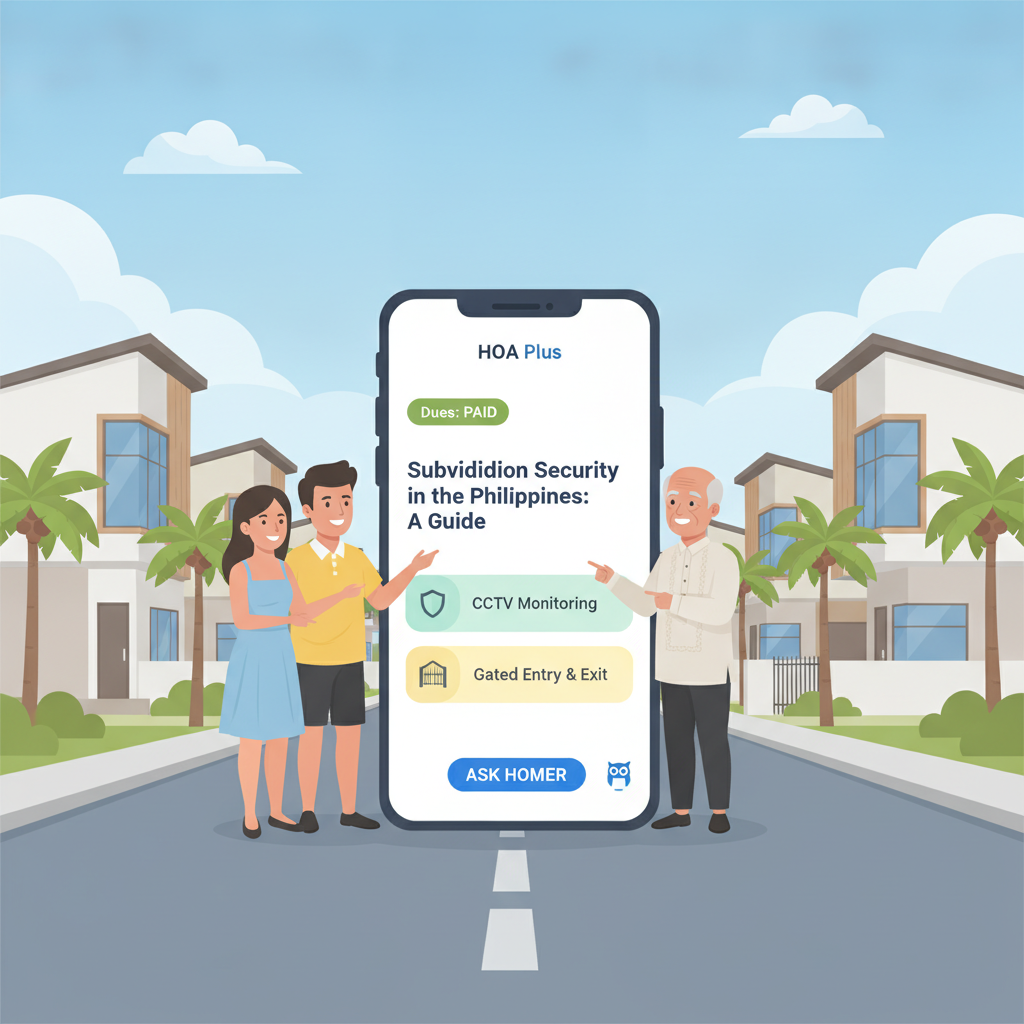
Subdivision Security Philippines: A Homeowner’s Complete Guide
Subdivision security is the reason most families choose to live behind a gate. When the guards know every face and log every visitor, everyone on the street sleeps a little easier.
But strong safety does not happen by accident. It takes clear rules, well-trained guards, and a board that treats protection as a shared job for the whole community.
This guide explains how to build real subdivision security in your village. You will learn what your guards should do, how to hire and support them, and how every resident can help keep the street safe.
Why Subdivision Security Starts at the Gate
Your gate is the first line of defense. A visitor who cannot get past it without a log entry is a visitor your neighbors never have to worry about.
Strong subdivision security begins with one simple rule: no one enters without a reason. Guards should check IDs, record plate numbers, and call residents before they open the gate. For example, a delivery rider should wait outside while the guard confirms the address.
This single habit stops most problems before they start. Consequently, communities with strict gate rules report far fewer thefts and far fewer unwanted guests.
A good gate routine also covers deliveries and contractors. Workers who enter often should carry a temporary pass. Furthermore, the guard should note who they came to see. This way, the gate stays a filter, not a stop sign everyone ignores.
What Good Subdivision Security Actually Requires
Real safety rests on three parts: trained people, clear rules, and working tools. When any one part is weak, the whole system wobbles.
Guards need training on how to greet, question, and record visitors. They also need a written post order so every shift follows the same steps. In addition, they need tools that work, such as a radio, a flashlight, and a logbook that does not fall apart.
Many boards treat guards as an afterthought. However, a guard who feels valued will watch your street far more carefully than one who gets no attention at all.
Lighting matters as much as people. Dark corners hide trouble, while bright streets keep everyone visible. In turn, a well-lit perimeter makes your subdivision security far easier to manage.
Roving patrols help too. A guard who walks the streets a few times each night spots problems that a guard stuck at the gate never sees. This quiet habit strengthens subdivision security across the whole village.
How to Hire the Right Guards for Subdivision Security
Most villages hire guards through a licensed security agency. In the Philippines, these agencies follow RA 5487, the Private Security Agency Law. You can read the full law on the Official Gazette.
When you choose an agency, ask about training, licenses, and how often they rotate staff. A guard who changes every week never learns your street or your faces.
Check the contract carefully as well. Specifically, confirm who pays for uniforms, overtime, and relief guards when someone falls ill. These details decide whether your subdivision security stays steady over time.
Ask to see the agency’s license before you sign. The PNP issues licenses to security agencies, and a proper agency will show it gladly. Otherwise, you risk paying for guards who lack proper screening.
A short interview with the guards themselves helps too. Ask how long they have worked at their current post. A guard who has stayed long usually knows the community well.
Clear Rules Every Resident Should Follow
Guards can only enforce rules that residents actually know. Therefore, the board should publish a short list of safety rules every homeowner can follow.
- Register your visitors. Tell the gate who is coming and when.
- Display your car sticker. A visible sticker helps guards spot outsiders fast.
- Report lost stickers or keys at once. Quick reports prevent misuse.
- Follow the gate hours. Plan late entries instead of surprising the guard.
- Be polite to the guards. A respected guard protects you better.
These rules sound small, but together they make subdivision security strong. In other words, safety is a group effort, not a job for the guards alone.
Write the rules in plain Filipino and English. Post them near the gate and inside the clubhouse. When people can read the rules easily, they follow them more often.
Give special attention to helpers and construction workers. They enter daily, so they should carry a proper ID. In the same way, ask drivers to park only in visitor slots.
Common Subdivision Security Problems and How to Fix Them
Every community faces a few recurring issues. The good news is that most have simple fixes.
One common problem is a guard who waves cars through without logging. Fix it by asking a board member to review the log every day. Ultimately, someone has to check the work.
Another issue is a gate that stays open during shift changes. Fix it with overlapping shifts or a clear handoff routine. Meanwhile, report a broken camera or light the same day it fails.
Guard turnover is another silent problem. When the faces change every month, residents stop trusting the gate. The fix is simple: treat guards fairly, pay on time, and the best ones will stay.
For a deeper look at planning ahead, read our guide to HOA emergency preparedness.
How HOA Plus Supports Your Subdivision Security
HOA Plus gives your subdivision security a digital backbone. The board can log every visitor at the gate through the visitor management feature, so nothing gets lost in a paper book.
When a guard needs a resident’s contact, it is one tap away. When a vehicle sticker expires, the app reminds the owner. Consequently, the gate runs smoothly without a stack of handwritten notes.
Residents can also ask HOMER questions like, “What are our gate hours?” and get an instant answer. This removes the confusion that leads to arguments at the gate.
The app also stores post orders and safety plans in one place. A new guard can review them before the first shift. In fact, a well-informed guard is a confident guard.
When an incident happens, the board can log it in the app right away. Everyone sees the note, so rumors never fill the gap. Moreover, a clear record helps the community improve over time.
Learn how the visitor log works in our post on smart visitor management.
Build Safer Streets One Habit at a Time
Subdivision security never stops improving. It grows every time a guard finishes training, a resident follows a rule, and a neighbor lends a hand.
Start at the gate. Check that your guards receive training and support. Publish your rules. Then let the good habits add up over time.
Review your gate routine once a season. Ask residents for feedback. Small tweaks, like a brighter light or a cleaner logbook, add up to a village that feels safe every single day.
Finally, review your guards every few months. Praise what they do well and fix what they miss. Small, steady improvements build a gate that residents actually trust.
In conclusion, safety is a habit, not an event. When the gate routine is calm and steady, the whole street becomes a calmer place to live.
Try HOA Plus free for your community and give your subdivision security a stronger foundation.